
Our clinic provides safe, efficient, in-office minor procedures for common injuries and conditions. Services include wound care, suturing, mole removal, skin tag excision, and joint injections. These treatments are performed with sterile techniques and follow evidence-based guidelines to ensure optimal recovery and comfort.
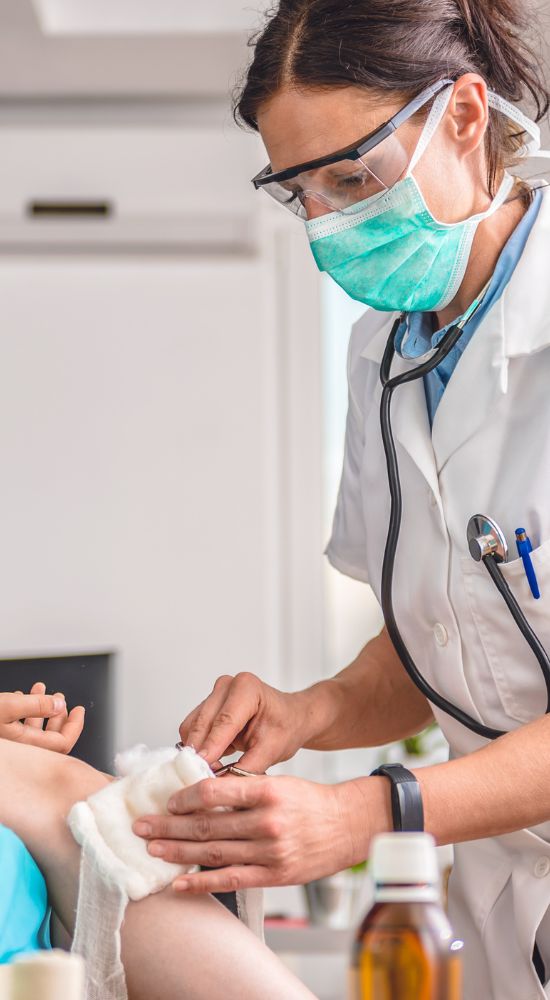
We evaluate and treat cuts, abrasions, burns, and minor lacerations. Proper wound care reduces infection risk, promotes healing, and prevents scarring.
FAQs
When should I seek medical care for a wound?
If bleeding does not stop, the wound is deep, dirty, shows signs of infection, or requires closure.
How long does healing take?
Most minor wounds heal within 7–14 days depending on depth and location.
Do I need antibiotics?
Only if signs of infection are present or if the wound type requires prevention.
Management Approach
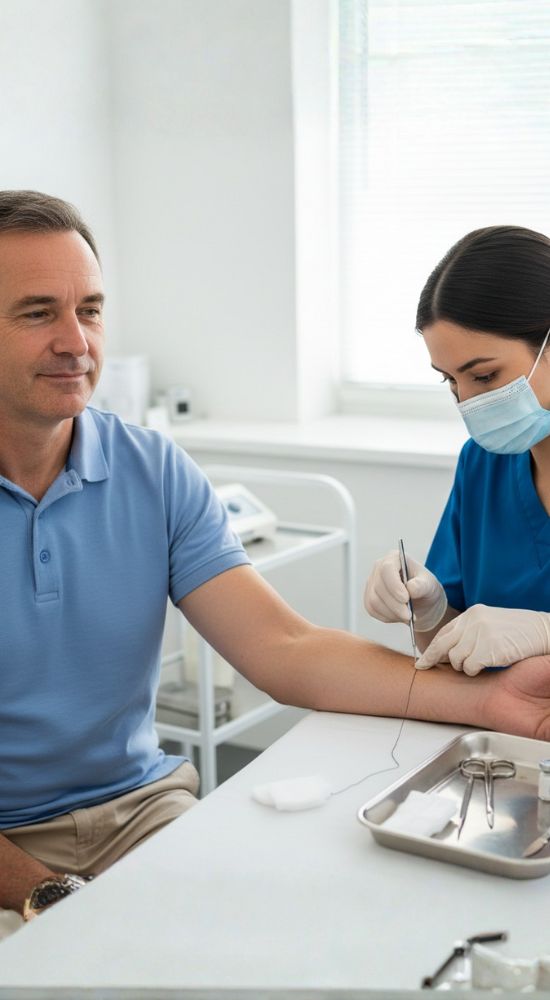
Suturing is used when a cut is deep, gaping, or located in an area requiring precise closure. Proper repair speeds healing and minimizes scarring.
FAQs
How do I know if a cut needs stitches?
If edges won’t close, the wound is longer than ½ inch, or it exposes deeper tissue.
How long do stitches stay in?
Typically 5–14 days depending on the location.
Can I get the wound wet?
Usually after 24–48 hours, depending on the repair.
Management Approach
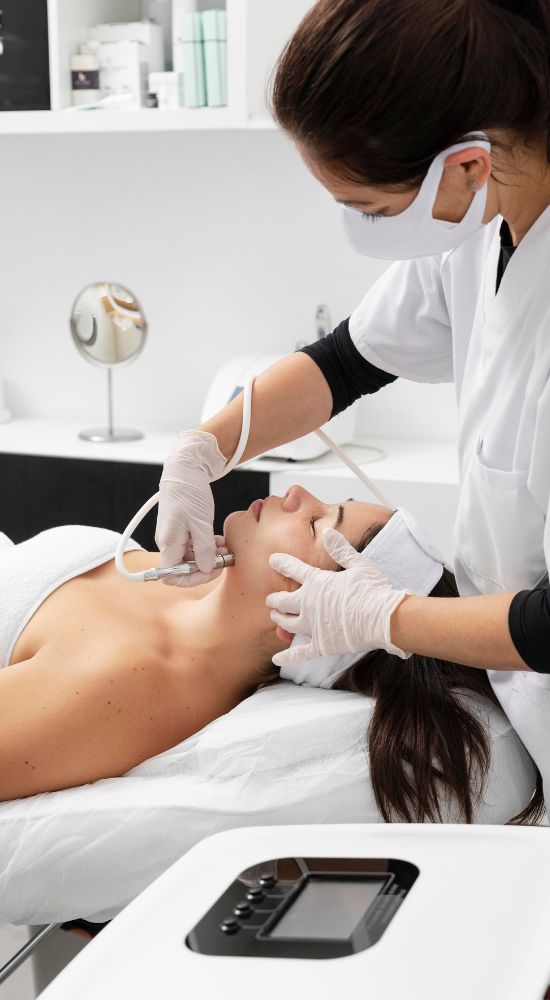
We remove moles for medical or cosmetic reasons. Suspicious or changing moles are evaluated to rule out skin cancer.
FAQs
When should a mole be removed?
If it changes in size, shape, or color, becomes painful, bleeds, or is cosmetically bothersome.
Will removal leave a scar?
A small scar is possible but minimized with proper technique.
Is pathology testing included?
Suspicious moles are sent for laboratory evaluation.
Management Approach
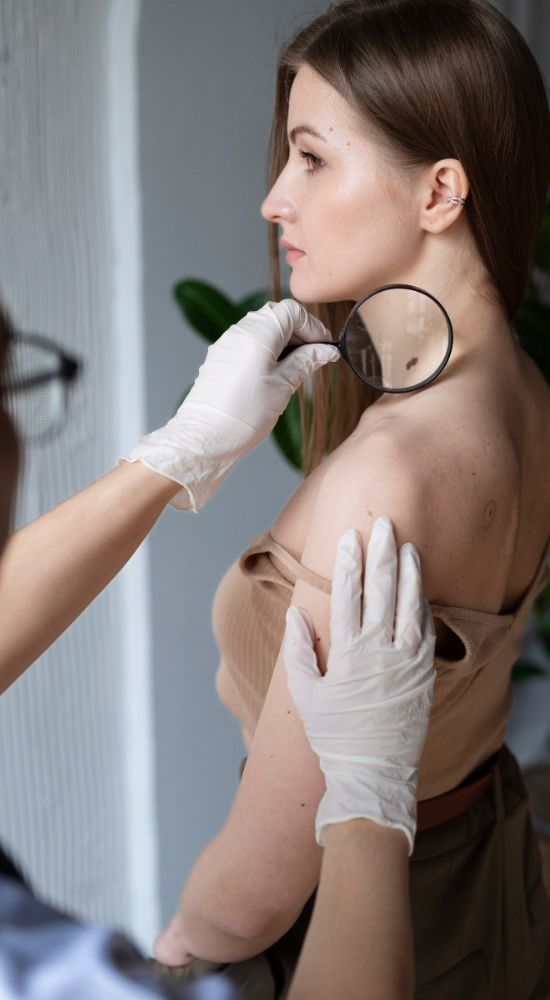
Skin tags are benign growths commonly found on the neck, underarms, and other friction areas. Removal is quick and minimally painful.
FAQs
Are skin tags harmful?
They are benign and harmless unless irritated.
Can I remove them at home?
Home removal increases infection and scarring risk.
Does removal hurt?
Most procedures use local anesthesia and are well tolerated.
Management Approach
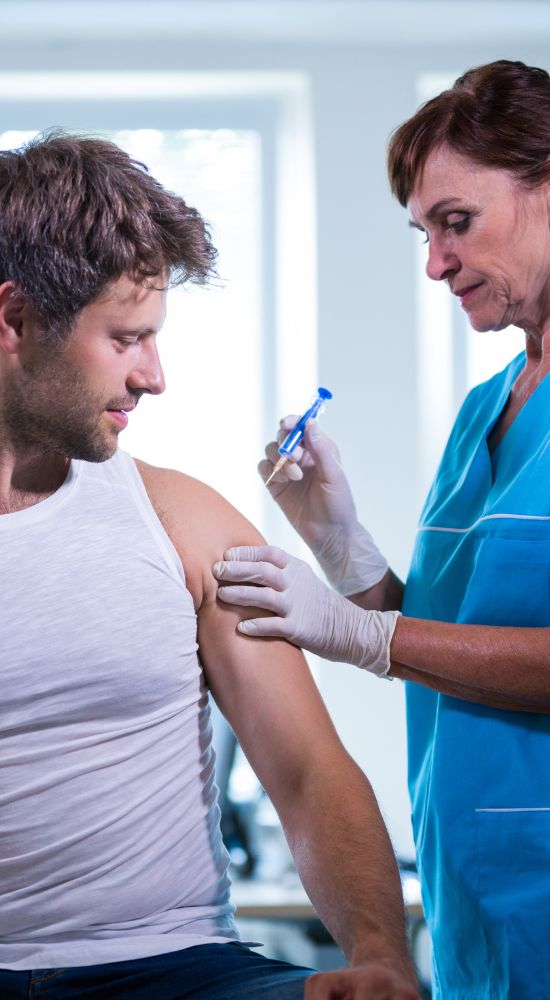
Joint injections help reduce pain and inflammation from arthritis, injuries, and tendon or ligament irritation. Common sites include knees, shoulders, elbows, and wrists.
FAQs
What conditions benefit from joint injections?
Arthritis, bursitis, tendinitis, and joint inflammation.
How long does relief last?
Relief can last weeks to months depending on the condition.
Are injections safe?
Complications are rare when performed correctly.
Management Approach
Patients in our program often share how life-changing this journey has been:
I appreciate all their hard work, friendly and helpful attitudes. They care about their patients and try to make every visit expediate.
Dr. Ortiz was great and attentive to our medical concerns.
We look forward to continuing our health journey with her.
I love this place. They are very patient oriented. They listen to the patient. Caroline Ortiz is amazing and the staff is very friendly.
This office is great. I really enjoy my visits. They’re very helpful and attentive to your needs and health.
We offer minor procedures and same-day treatments delivered with care, precision, and comfort