
Women’s Wellness Services

Our clinic provides comprehensive women’s wellness services focused on prevention, early detection, and management of female health concerns. Care includes routine well-woman exams, gynecological evaluations, cancer screenings, reproductive health support, and treatment for common conditions.

Women's Wellness Services — Accura Health
Preventive Care

Well-Woman Exam

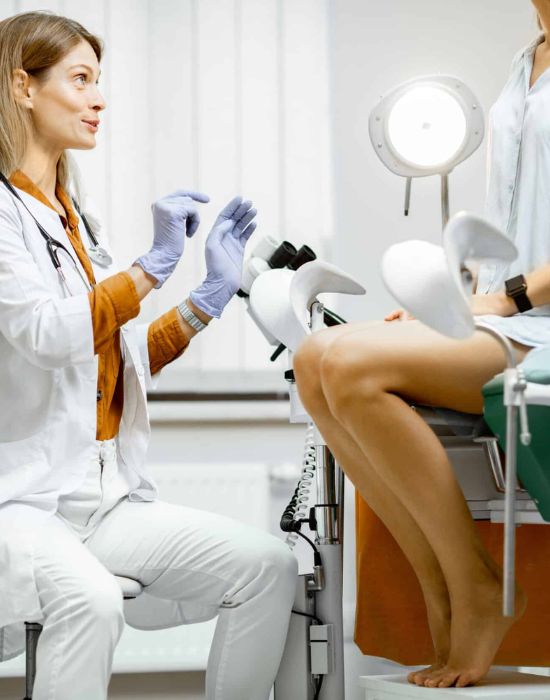
A well-woman exam is an annual visit focused on reproductive health, disease prevention, and overall wellness. It includes a detailed medical review, physical exam, gynecologic assessment, screenings, and personalized counseling tailored to your age and health history.

Frequently Asked Questions
What is included in a well-woman exam?
A physical exam, pelvic exam, breast exam, Pap smear (as indicated), vaccinations, and health counseling.
How often should I have one?
Once per year, unless otherwise recommended by your provider.
Do I need a Pap smear every year?
Frequency varies by age and personal health history.
Management Approach
  • Annual physical and gynecologic exam
  • Preventive screenings
  • Personalized care plan and counseling
Book a Routine Wellness Appointment
Women's wellness exam
Gynecological exam
Women's Health

Gynecological Exams

Gynecological exams assess reproductive organs, vaginal health, and menstrual concerns. They help detect infections, cysts, fibroids, and hormonal issues early. Annual exams are recommended even when no symptoms are present.

Frequently Asked Questions
Are gynecological exams painful?
They can be briefly uncomfortable, but most patients tolerate them well.
When should I schedule one?
Annually or whenever symptoms arise.
Do I need one if I'm not sexually active?
Yes. Gynecologic health still requires monitoring regardless of sexual activity.
Management Approach
  • Pelvic and external exam
  • Menstrual and hormonal evaluation
  • Testing for infections when needed
Schedule Your Gynecologic Exam
Cancer Screening

Breast Cancer Screenings

Breast cancer screening includes clinical breast exams and mammograms to detect abnormalities at the earliest, most treatable stage. Routine screening is one of the most effective tools in women's preventive health care.

Frequently Asked Questions
When should I get a mammogram?
Typically starting at age 40, or earlier based on personal or family risk factors.
Are mammograms safe?
Yes. Radiation exposure is minimal and well within safe limits.
Do I need a screening every year?
Frequency depends on your age and individual risk profile.
Management Approach
  • Clinical breast exam
  • Mammogram referrals
  • Follow-up of abnormal results
Schedule an Appointment
Breast cancer screening
Pap smear screening
Cancer Screening

Pap Smear

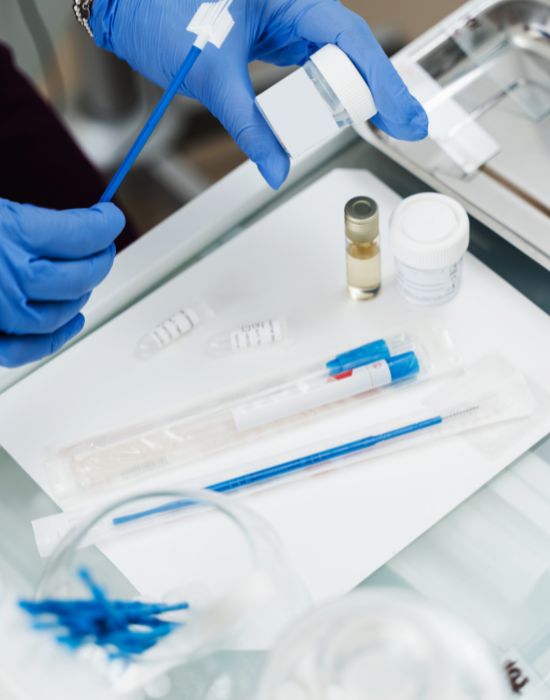
A Pap smear screens for cervical cancer by detecting abnormal cell changes before they progress. It is one of the most important routine screenings available to women and is often combined with HPV testing for more complete protection.

Frequently Asked Questions
How often is a Pap smear required?
Every 3–5 years depending on age and HPV testing results.
Does a Pap smear hurt?
It may cause brief discomfort but is quick and well tolerated.
What if my Pap is abnormal?
Further testing such as HPV testing or colposcopy may be required.
Management Approach
  • Sample collection during pelvic exam
  • HPV co-testing when indicated
  • Follow-up and monitoring
Book a Quick, Comfortable Screening
Preventive Care

Breast Exam

A clinical breast exam detects lumps, changes, or abnormalities that may require further evaluation. It complements mammography and helps establish a baseline of normal tissue, making changes easier to identify over time.


Frequently Asked Questions
Do I still need breast exams if I get mammograms?
Yes. Both clinical exams and imaging are important parts of breast health.
What if I find a lump?
Most lumps are benign, but all lumps require proper evaluation.
How often should exams be performed?
Annually, or more frequently if you are at higher risk.
Management Approach
  • Physical breast examination
  • Imaging orders if needed
  • Education on self-awareness
Book a Comfortable, Private Assessment
Breast exam
Bone density scan
Preventive Screening

Bone Density Scan

A bone density scan screens for osteoporosis and bone loss, which is especially common in women after menopause. Early detection allows for timely intervention through nutrition, supplements, and medication to protect long-term bone health.

Frequently Asked Questions
When should I get a bone density scan?
Usually at age 65, or earlier if risk factors such as early menopause are present.
Is the test painful?
No. It is quick, noninvasive, and completely painless.
How often is it repeated?
Every 1–2 years depending on initial results and risk.
Management Approach
  • Screening based on age and risk
  • Review of calcium and vitamin D intake
  • Osteoporosis prevention strategies
Book Now
Women's Health

Menstrual Cycle Irregularities

Irregular periods can result from hormonal imbalance, stress, weight changes, thyroid issues, or underlying gynecologic conditions. Evaluation helps identify the root cause and restore healthy cycle patterns through targeted treatment.


Frequently Asked Questions
What counts as irregular?
Cycles shorter than 21 days, longer than 35 days, or frequently changing patterns.
Can irregular cycles affect fertility?
Yes. They may indicate ovulation irregularities that can impact conception.
Should I worry about missed periods?
Evaluation is needed if cycles consistently change or stop unexpectedly.
Management Approach
  • Hormonal testing
  • Thyroid and metabolic evaluation
  • Medication or lifestyle adjustments
Book a Women's Wellness Visit
Menstrual cycle irregularities
Pelvic or menstrual pain
Women's Health

Pelvic or Menstrual Pain

Pelvic pain can result from endometriosis, fibroids, ovarian cysts, infections, or cycle-related cramps. A thorough evaluation helps distinguish normal discomfort from conditions requiring treatment, with most cases manageable without surgery.

Frequently Asked Questions
Is severe cramping normal?
Mild discomfort can be normal; severe or disruptive pain requires evaluation.
Can pelvic pain be treated without surgery?
Yes. Most cases respond well to medication or hormonal therapy.
What tests might be needed?
Pelvic exam, ultrasound imaging, and laboratory tests.
Management Approach
  • Detailed history and physical exam
  • Ultrasound imaging
  • Pain management and hormonal therapy
Get Checked Today
Common Condition

Urinary Tract Infection (UTI)

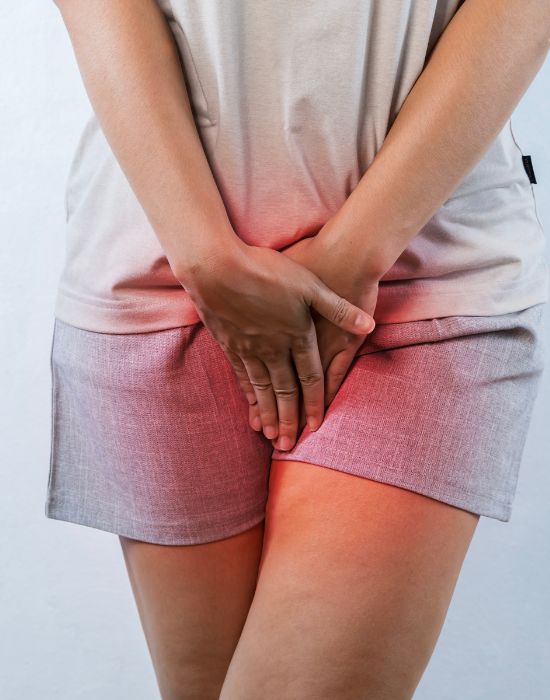
UTIs are caused by bacteria entering the urinary tract, leading to burning, urgency, and pelvic discomfort. They are among the most common infections in women and respond well to prompt antibiotic treatment. Prevention strategies can reduce recurrence.

Frequently Asked Questions
What are common symptoms?
Burning during urination, frequent urination, and pressure in the lower abdomen.
Do UTIs require antibiotics?
Most bacterial UTIs do require antibiotic treatment.
Can UTIs be prevented?
Hydration, good bathroom habits, and hygiene all help reduce risk.
Management Approach
  • Urine testing
  • Antibiotic treatment
  • Prevention counseling
Book a Quick Evaluation
Urinary tract infection treatment
Yeast infection evaluation
Common Condition

Yeast Infections

Yeast infections cause itching, discharge, and irritation due to an overgrowth of Candida. While over-the-counter treatments are common, medical confirmation ensures accurate diagnosis and prevents mismanaged or recurring infections.

Frequently Asked Questions
What triggers a yeast infection?
Antibiotics, hormonal changes, moisture, or immune system shifts.
Can they recur?
Yes. Persistent cases may need extended or alternative treatment.
Are over-the-counter treatments effective?
Often, but medical confirmation is recommended to ensure the correct diagnosis.
Management Approach
  • Pelvic exam and testing
  • Antifungal medication
  • Prevention guidance
Book an Evaluation
Reproductive Health

Contraception Counseling

Contraception counseling helps patients choose safe, effective birth control based on their health history, preferences, and lifestyle goals. We review all available options and support your decision with evidence-based guidance and prescriptions.


Frequently Asked Questions
What options are available?
Pills, patches, rings, injections, IUDs, and implants — hormonal and non-hormonal.
Is birth control safe?
Yes. Most methods are widely used, well studied, and well tolerated.
Does birth control help with acne or cramps?
Some hormonal methods do improve these symptoms for many patients.
Management Approach
  • Review of medical history
  • Hormonal and non-hormonal options
  • Prescriptions and placement referrals
Schedule Your Consultation
Contraception counseling
Menopausal support
Women's Health

Menopausal Support

Menopause can cause hot flashes, mood changes, sleep issues, vaginal dryness, and bone loss. Our approach focuses on individualized symptom control and long-term health, combining hormone therapy options with cardiovascular and bone health monitoring.

Frequently Asked Questions
What are common symptoms of menopause?
Hot flashes, irregular periods, dryness, mood shifts, and sleep disturbances.
Is hormone therapy safe?
It is safe for many women, but requires individualized evaluation of risks and benefits.
How long do symptoms last?
Varies widely; many women experience symptoms for several years.
Management Approach
  • Symptom assessment
  • Hormone and non-hormonal therapies
  • Bone and cardiovascular risk monitoring
Talk to a Specialist

Success Stories

Patients in our program often share how life-changing this journey has been:

Wellness that Understands Women

Caring, confidential, comprehensive – because your health deserves attention