
Our clinic provides comprehensive women’s wellness services focused on prevention, early detection, and management of female health concerns. Care includes routine well-woman exams, gynecological evaluations, cancer screenings, reproductive health support, and treatment for common conditions.

A well-woman exam is an annual visit focused on reproductive health, disease prevention, and overall wellness. It includes a detailed medical review, physical exam, gynecologic assessment, screenings, and counseling.
FAQs
What is included in a well-woman exam?
A physical exam, pelvic exam, breast exam, Pap smear (as indicated), vaccinations, and health counseling.
How often should I have one?
Once per year, unless otherwise recommended.
Do I need a Pap every year?
Frequency varies by age and history.
Management Approach
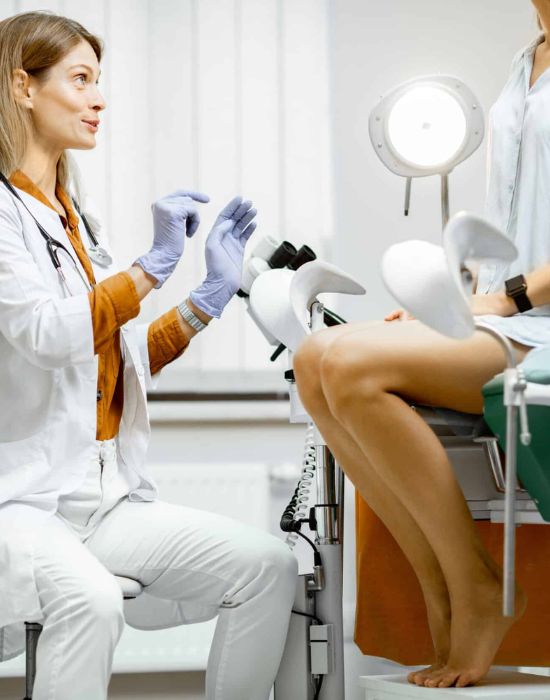
Gynecological exams assess reproductive organs, vaginal health, and menstrual concerns. They help detect infections, cysts, fibroids, and hormonal issues.
FAQs
Are gynecological exams painful?
They can be briefly uncomfortable, but most patients tolerate them well.
When should I schedule one?
Annually or whenever symptoms arise.
Do I need one if I’m not sexually active?
Yes. Gynecologic health still requires monitoring.
Management Approach
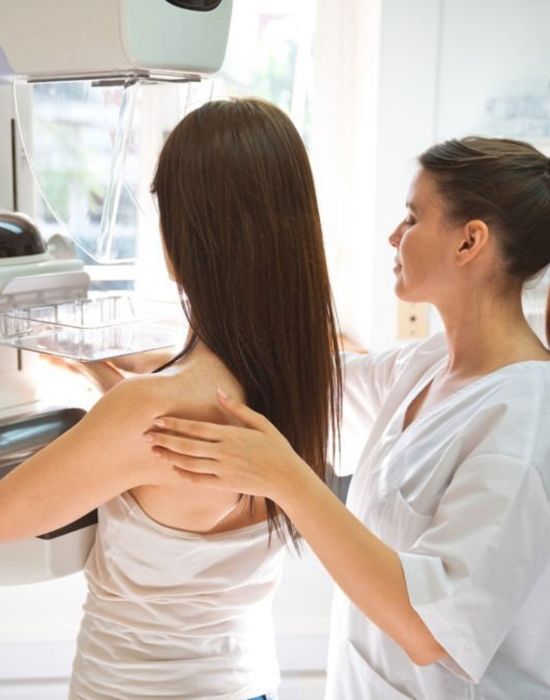
Breast cancer screening includes clinical breast exams and mammograms to detect abnormalities early.
FAQs
When should I get a mammogram?
Typically starting at age 40, earlier based on risk.
Are mammograms safe?
Yes. Radiation exposure is minimal.
Do I need a screening every year?
Frequency depends on age and risk.
Management Approach
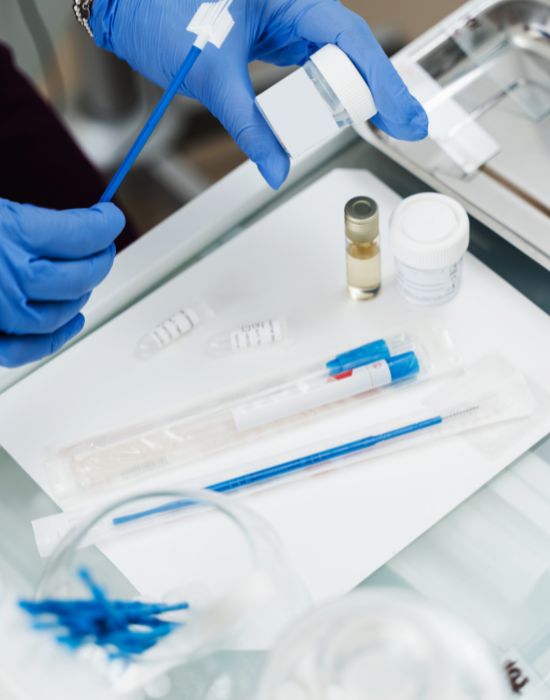
A Pap smear screens for cervical cancer by detecting abnormal cell changes.
FAQs
How often is a Pap required?
Every 3–5 years depending on age and HPV testing.
Does a Pap smear hurt?
It may cause brief discomfort but is quick.
What if my Pap is abnormal?
Further testing such as HPV testing or colposcopy may be required.
Management Approach

A clinical breast exam detects lumps, changes, or abnormalities that may require further evaluation.
FAQs
Do I still need breast exams if I get mammograms?
Yes. Both are important.
What if I find a lump?
Most lumps are benign, but all require evaluation.
How often should exams be performed?
Annually or more often if high risk.
Management Approach

A bone density scan screens for osteoporosis and bone loss, typically in women over 50 or those with risk factors.
FAQs
When should I get a bone density scan?
Usually at age 65, or earlier with risk factors.
Is the test painful?
No. It is quick and noninvasive.
How often is it repeated?
Every 1–2 years depending on results.
Management Approach

Irregular periods can result from hormonal imbalance, stress, weight changes, thyroid issues, or underlying gynecologic conditions.
FAQs
What counts as irregular?
Cycles shorter than 21 days, longer than 35 days, or frequently changing patterns.
Can irregular cycles affect fertility?
Yes. They may indicate ovulation irregularities.
Should I worry about missed periods?
Evaluation is needed if cycles consistently change.
Management Approach

Pelvic pain can result from endometriosis, fibroids, ovarian cysts, infections, or cycle-related cramps.
FAQs
Is severe cramping normal?
Mild discomfort can be normal; severe or disruptive pain requires evaluation.
Can pelvic pain be treated without surgery?
Yes. Most cases respond to medication or hormonal therapy.
What tests might be needed?
Pelvic exam, ultrasound, and labs.
Management Approach

UTIs are caused by bacteria entering the urinary tract, leading to burning, urgency, and pelvic discomfort.
FAQs
What are common symptoms?
Burning during urination, frequent urination, and pressure in the lower abdomen.
Do UTIs require antibiotics?
Most bacterial UTIs do.
Can UTIs be prevented?
Hydration and good bathroom habits help.
Management Approach
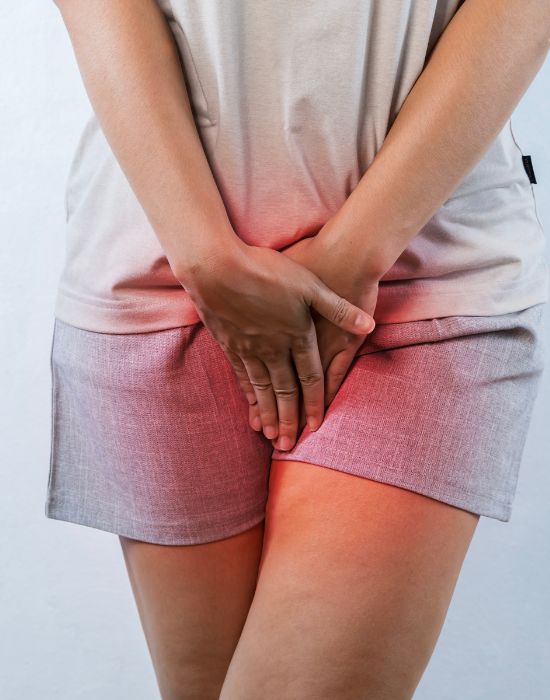
Yeast infections cause itching, discharge, and irritation due to an overgrowth of Candida.
FAQs
What triggers a yeast infection?
Antibiotics, hormones, moisture, or immune changes.
Can they recur?
Yes. Persistent cases may need extended treatment.
Are over-the-counter treatments effective?
Often, but medical confirmation is recommended.
Management Approach

Contraception counseling helps patients choose safe, effective birth control based on health, preferences, and lifestyle.
FAQs
What options are available?
Pills, patches, rings, injections, IUDs, and implants.
Is birth control safe?
Yes. Most methods are widely used and well tolerated.
Does birth control help with acne or cramps?
Some methods improve these symptoms.
Management Approach

Menopause can cause hot flashes, mood changes, sleep issues, vaginal dryness, and bone loss. Support focuses on symptom control and long-term health.
FAQs
What are common symptoms of menopause?
Hot flashes, irregular periods, dryness, mood shifts, and sleep disturbances.
Is hormone therapy safe?
It is safe for many women but requires individualized evaluation.
How long do symptoms last?
Varies widely; many experience symptoms for several years.
Management Approach
Patients in our program often share how life-changing this journey has been:
I have had nothing but great interactions with this office! Dr.Rollins listens to you and collaborates WITH you on your treatment plan. I would recommend Dr. Rollins to anyone looking for a primary care physician!
I wanna give a shout out to Autumn the front desk nurse for being polite, respectful and kind everytime I see her. Also, shout out to Carolyn the nurse practitioner for being very compassionate and always willing to help in my time of need! These 2 ladies are heaven sent!
Front desk nurse went above and beyond to ensure my needs were met, displaying outstanding compassion, empathy, and professionalism. Also the nurse practitioner was amazing and made my appt smooth and efficient!
Nice friendly and fast staff and Dr that actually cares about her patients
Caring, confidential, comprehensive – because your health deserves attention